

Chicken Road Demo is the easiest way to understand how the game feels before you spend any money. The core loop is simple to learn, but the timing, risk choices, and pace can feel different once you are actually in a session. This page explains what the demo is, how it works, and what you can learn from it in a short amount of time.
If you are comparing versions, trying out a new device, or just checking whether the mechanics suit you, Chicken Road Demo Play is a practical place to start. You will also see how the interface is laid out, what changes in the sequel, and why terms like Chicken Road Signal Bot or Chicken Road Predictor App come up so often in searches around the game.
50 Free Spins + 100% Match
Spin for free and get your deposit matched instantly
Get Bonus
How Chicken Road Demo Play Works for New Players
The first thing most players notice is that Chicken Road Game Demo keeps the same crossing-and-risk structure as the main game, but removes the pressure of a real balance. That makes it useful for learning the rhythm of each move, especially if you are still getting used to the pace. You can test the game flow, see how quickly the tension builds, and restart without worrying about losses. Learn more about Chicken Road Game Original.
A good Chicken Road Demo Play session is less about chasing a big result and more about understanding how decisions stack up. The demo lets you watch how each successful step changes the stakes, so you can learn where your own comfort zone is. That makes it easier to decide whether the full version later feels exciting or simply too fast.
What happens the moment you start a demo session?
When you open Chicken Road Demo, you usually land on a screen built around the main play area, with controls and indicators placed around it. The first run is often very straightforward, because the game wants you to understand the route and the risk progression before you think about strategy. In practice, that means you can focus on the timing of each move instead of searching through menus.
Many new players treat Chickenroad Demo Play like a guided test run, and that is a smart approach. You can observe how the game reacts to successful steps, how quickly the pace changes, and where the session ends after a mistake. That immediate feedback is what makes the demo so useful for first-time players.
How should you think about risk in the demo?
The key idea in Chicken Road Demo Game is that every choice changes the mood of the session, even when nothing real is on the line. One safe move can make the next one feel more tempting, and that is exactly why the game teaches risk awareness so well. You are not just pressing a button; you are learning when to stop.
In Chicken Road Demo Play, the best practice is to set a simple target before you begin, such as reaching a certain point or testing a specific pace. That keeps the session focused and helps you notice patterns in your own reactions. If you keep restarting without a plan, you will learn less from the experience.
The quickest way to approach Chicken Road Demo Play is to move through the same repeatable loop every time you enter a session.
- Open the demo and spend a few seconds looking at the lane layout, button placement, and any on-screen indicators.
- Start with a calm first run so you can see how the game responds to each step without rushing.
- Watch how the risk level changes after each successful move and decide in advance when you want to stop.
- Use the restart moment to compare one session with the next instead of playing on autopilot.
- After a few rounds, note whether the pace feels comfortable enough for longer play or too tense for your style.
Repeating this process makes Chicken Road Demo Game much easier to understand, because you are training your eye and your timing at the same time.
Chicken Road Game Demo Features and Interface Overview
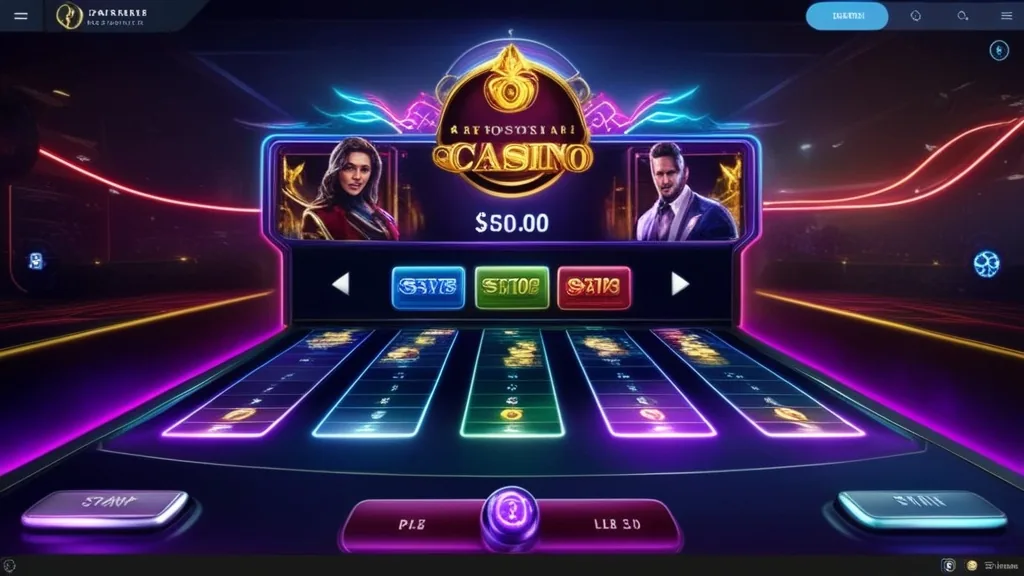
The screen in Chicken Road Game Demo is built around clarity: you need to see the route, the controls, and the changing risk state without distraction. That is why the interface usually keeps the main play area central and pushes the supporting information to the edges. Even in a simple demo, the layout matters because it shapes how fast you can read the session.
A clean Chicken Road Demo Game interface is helpful for more than just aesthetics. It lets you compare sessions, notice timing changes, and understand whether the game feels smooth on your device. If you are testing controls for the first time, the visual structure tells you almost everything you need before the round gets intense.
Which interface elements matter most during play?
In Chickenroad Game Demo, the most important parts are usually the play field, the main action button, and any indicator that shows how far your current run has progressed. These elements tell you where to focus, and they help you avoid missing a step when the pace picks up. A good interface does not just look polished; it keeps your attention on the right detail at the right time.
You should also pay attention to smaller signals in Chicken Road Demo, such as sound cues, animation changes, or visual flashes that mark success and failure. Those details may seem minor at first, but they help you understand the rhythm of the game much faster. Once you notice them, the demo becomes easier to read and less confusing.
What should you check before you begin a session?
Before starting Chickenroad Demo, check whether the game fits your screen properly and whether the controls feel responsive. If the layout is cramped or the buttons are too small, your timing can suffer even in a practice session. Small interface issues often matter more than players expect, especially on mobile devices.
A short test run in Chicken Road Demo Play can reveal whether you need sound on, whether the animation speed feels comfortable, and whether the on-screen information is easy to follow. Those practical checks take only a minute, but they save time later. If the game feels awkward from the start, your learning session will be less useful.
These are the interface points most players notice first in Chicken Road Demo Game and then keep checking throughout the session.
- The central route or lane area where the main action happens
- The primary control button used to advance or confirm a move
- Risk or reward indicators that show how the session is developing
- Sound and animation cues that mark success, failure, or progress
- Settings or info panels that help you adjust the demo to your device
When these elements are easy to read, Chickenroad Game Demo feels smoother and more predictable, which makes practice sessions far more valuable.
Chicken Road 2 Demo Play: What Changes in the Sequel

The sequel version in Chicken Road 2 Demo Play usually gets attention because players want to know whether the pace, feel, or presentation has changed. Even when the core idea stays familiar, a sequel can adjust the visual style, feedback, or overall tempo enough to make the session feel noticeably different. That is why many players compare it side by side with the original.
If you have already tried Chickenroad 2 Demo Play, you may have noticed that the sequel can feel a little sharper or more polished depending on the build you are testing. The main lesson is simple: the familiar mechanics may remain, but the way the game presents them can change your comfort level. Comparing both versions helps you decide which rhythm suits you better.
Does the sequel change the risk curve or just the presentation?
In many cases, Chicken Road Demo Play keeps the same basic risk logic, but changes the way that risk feels through pacing and feedback. A quicker animation or a stronger visual cue can make the same decision feel more intense, even if the underlying structure is nearly identical. That is why two demo versions can feel different without being mechanically unrelated.
With Chicken Road 2 Demo Play, the useful question is not just whether the rules changed, but whether the tension feels smoother, harsher, or more readable. A player who likes a calmer pace may prefer one version, while someone who wants a sharper session might like the other. The sequel is worth testing because feel matters as much as function.
Are the visuals or controls actually different in the sequel?
Some versions of Chickenroad Game Demo focus on visual polish, adding cleaner effects or more distinct feedback when a move succeeds or fails. That can make the game easier to follow, especially if you are sensitive to fast motion or crowded visuals. Even small adjustments in brightness, contrast, or animation timing can change how comfortable the game feels on screen.
The controls in Chicken Road Demo are often still familiar, which is good news for players who do not want to relearn the basics. The difference is usually in presentation rather than in core input. If you are switching from one version to another, it is smart to spend a few minutes checking whether the new layout affects your timing.
Why should you try both demo variants before choosing one?
Trying both Chickenroad Demo Play and the sequel gives you a more honest sense of which one fits your style. One version may feel faster and more exciting, while the other may be easier to read during longer sessions. That kind of preference is hard to guess from screenshots alone, so a side-by-side test is the most practical method.
A short comparison also helps you judge whether Chicken Road 2 Demo Play is a meaningful upgrade for you or simply a different presentation of the same idea. Players often discover that their favorite version is not the one they expected. The demo is the safest place to make that comparison, because you are only investing time, not money.
- Chicken Road Demo
- Original pacing and familiar layout
- Chicken Road 2 Demo Play
- Potentially sharper visuals and adjusted rhythm
- Chickenroad Demo
- Search-friendly label for the original demo
- Chickenroad 2 Demo Play
- Sequel variant listed under an alternate spelling
Chicken Road Signal Bot and Predictor App Explained

Searches for Chicken Road Signal Bot and related tools usually appear when players want a shortcut to better outcomes. The problem is that a timing-based demo game is not something you can reliably solve with a simple outside signal, because each run still depends on the game’s internal logic. That is why these tools should be treated with caution rather than excitement.
The same applies to a Chicken Road Predictor App. People often hope a predictor will reveal the next safe move or identify a pattern that guarantees success, but demo play is best understood as a practice environment, not a puzzle with a hidden answer key. The smartest use of the demo is learning from your own decisions, not looking for a promise of certainty.
Can a bot really predict demo outcomes?
A Chicken Road Predictor may sound convincing in a search result, but no tool can guarantee exact future outcomes in a game that depends on internal randomness or game logic you cannot see. At best, these tools may offer rough suggestions, session tracking, or pattern-based guesses, but that is not the same as true prediction. Players should be careful not to confuse a guess with a reliable method.
That is why Chicken Road Signal Bot claims should be viewed skeptically. A bot might automate clicks or present a signal style interface, but it does not suddenly gain control over the game engine. If a tool sounds like it can remove all uncertainty, that is a sign to slow down and question what it is really doing.
Is a predictor app useful for practice at all?
A Chicken Road Predictor App can still be useful if you treat it as a note-taking or self-review aid instead of a magic answer machine. For example, you might use it to track your session length, the moves you made, or the moments when you felt tempted to stop. That kind of record can help you spot habits that are worth improving.
Used that way, the app supports learning instead of pretending to solve the game. In Chicken Road Demo Game, your own decisions are the most valuable source of feedback anyway. If you focus on your timing, risk tolerance, and consistency, you will get more useful insight than any shortcut tool can promise.
Choosing the Right Chickenroad Demo Version for Your Session

The right Chickenroad Demo version depends less on branding and more on what you want from the session. If your goal is fast practice, you may prefer a build that loads quickly and keeps the interface simple. If you want to compare visual style or pacing, then trying more than one version makes more sense.
A lot of players start with Chicken Road Demo on mobile, then move to another version if they want clearer visuals or a different rhythm. That is a practical way to handle the search terms people use, because the spelling can vary even when the gameplay goal stays the same. The important part is choosing a demo that matches your device and attention span.
What should your decision be based on?
The best way to choose Chickenroad Game Demo is to think about three things: your device, your session length, and your familiarity with the mechanics. A player who wants a quick five-minute check-in will need something different from someone who plans to study the game for a longer stretch. The demo should support your purpose, not distract from it.
If you are returning after a break, Chicken Road Demo Play is often the easiest starting point because it lets you re-learn the rhythm without pressure. That makes it a good reset option when you do not want to jump straight into a harder or more visually busy version. Starting simple usually gives you a better read on your own timing.
How do you avoid wasting practice time?
In Chickenroad 2 Demo Play, the fastest way to waste time is to keep restarting without deciding what you are trying to learn. A better method is to set one small goal, such as judging lane timing, understanding the risk curve, or simply getting comfortable with the controls. That turns the session into practice rather than random clicking.
You can apply the same rule to Chicken Road Game Demo sessions of any length: stop when your attention drops. Once you are tired or distracted, the value of the demo falls quickly. Ending on a clear note leaves you with a better memory of how the game feels and makes the next session more useful.
Which version is most practical for mobile players?
For mobile users, Chickenroad Demo Play is often about screen readability first and everything else second. A version with clean buttons, a clear route, and simple feedback usually feels better on a smaller display. If the interface is crowded, your taps and reactions may feel less precise than they should.
That is why Chicken Road 2 Demo Play can be worth trying on a phone even if you already know the original. Sometimes the sequel’s presentation is easier to follow, and sometimes the first game is still the cleaner option. The only reliable way to know is to test both on the device you actually use.